
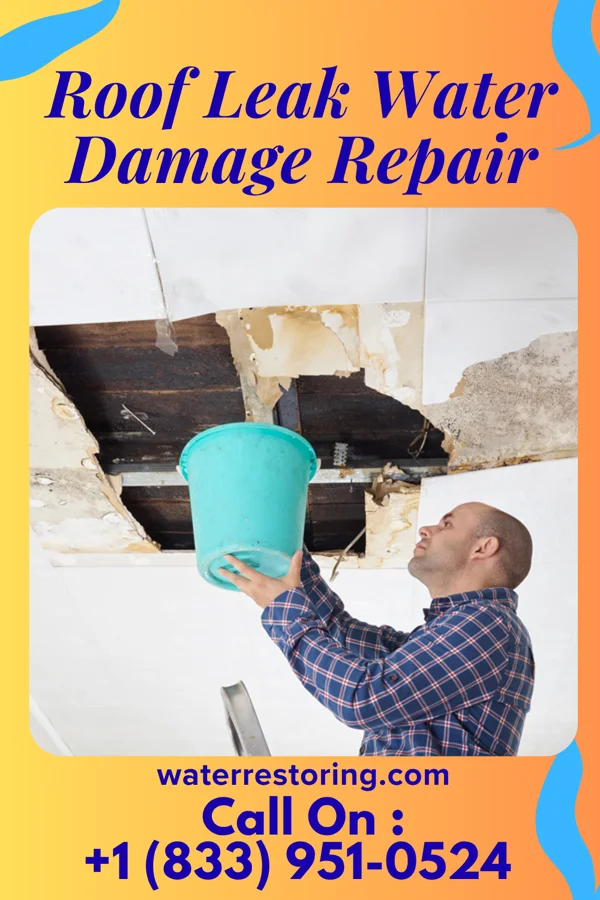
Roof Leaks & Insurance in Mountainburg
Mountainburg, Arkansas experiences frequent thunderstorms and heavy rainfall, especially during the spring and summer months. The area is prone to sudden downpours that can overwhelm roofing systems, leading to leaks and water damage. The high humidity levels also contribute to the rapid onset of mold and mildew issues. is the trigger behind most roof leak water damage repair claims in Mountainburg. A close second is In addition to heavy rainfall, Mountainburg is occasionally affected by tornadoes and severe weather events, which can cause significant structural damage to roofs. These extreme weather conditions can compromise the integrity of roofing materials, leading to long-term water intrusion issues.. Most homeowner insurance policies cover sudden, accidental water damage. What separates a clean claim from a stuck one is fast professional response with documentation an adjuster can actually use.
The combination of heavy rainfall, high humidity, and frequent storms in Mountainburg creates a challenging environment for roof integrity. Water can seep through even minor roof imperfections, leading to interior water damage, mold growth, and structural weakening over time.
Most roof leak water damage repair calls in Mountainburg come from Mountainburg, Arkansas experiences frequent thunderstorms and heavy rainfall, especially during the spring and summer months. The area is prone to sudden downpours that can overwhelm roofing systems, leading to leaks and water damage. The high humidity levels also contribute to the rapid onset of mold and mildew issues.. Running a close second is In addition to heavy rainfall, Mountainburg is occasionally affected by tornadoes and severe weather events, which can cause significant structural damage to roofs. These extreme weather conditions can compromise the integrity of roofing materials, leading to long-term water intrusion issues.. Local mold risk: Mold can begin to grow within 48 hours of water intrusion in Mountainburg due to the high humidity levels. This rapid mold development can lead to secondary damage, including wood rot, compromised insulation, and potential health risks for residents.